Brakes are a racing skill wearing a mechanic's costume. The kid with front brake confidence out-brakes the field into turn one; the kid without it brakes early everywhere and wonders where the tenths went. The mechanical half of that skill starts here.
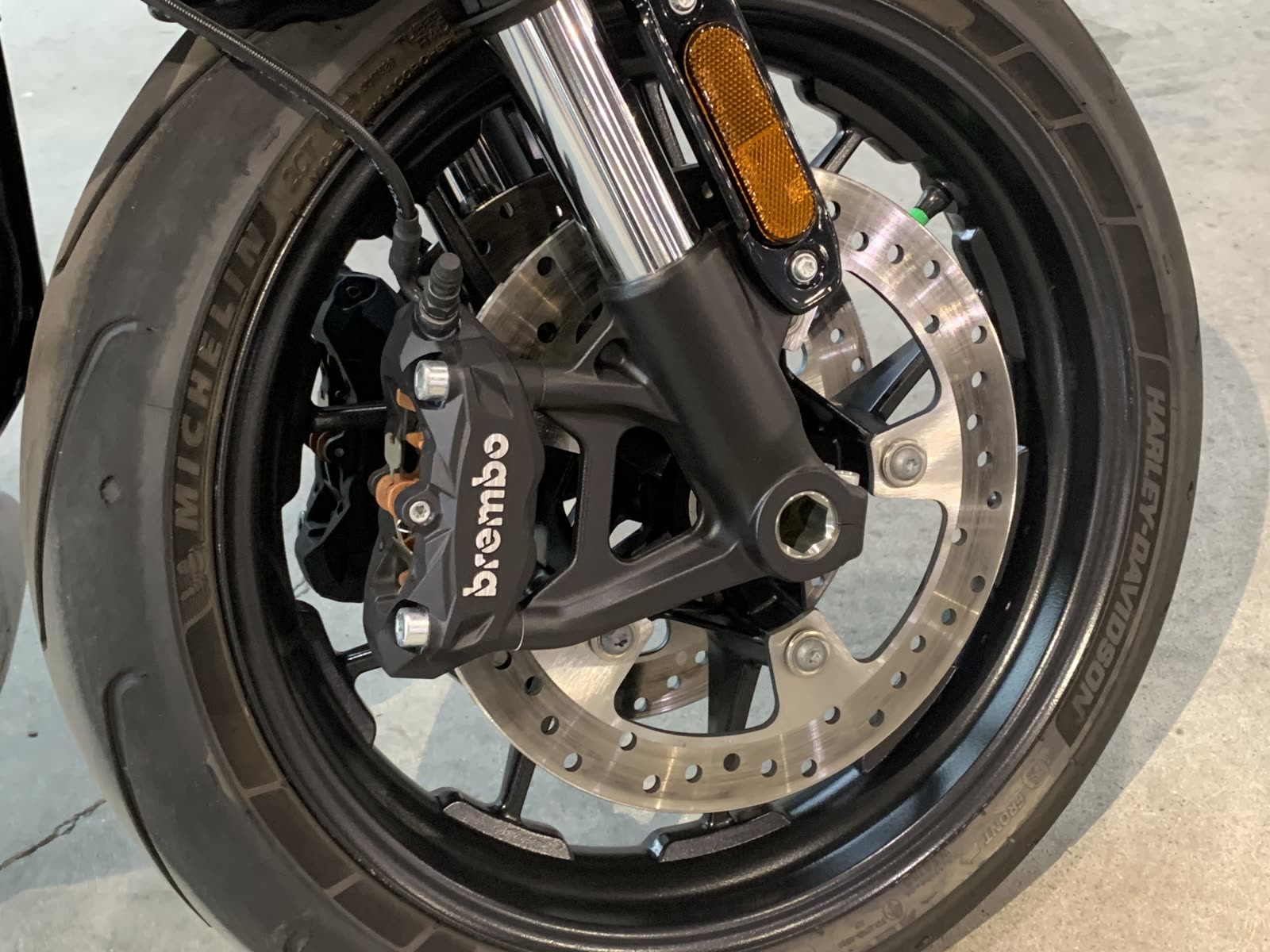
Pads: compound and condition
Minis are not picky about pad religion — a quality pad from a known brake brand, in the compound your class and conditions call for, changed on wear instead of on failure. Reading wear is simple: the friction material's thickness versus the backing plate, checked at every service interval, replaced before the material reaches the limit — because pads wear fast under race braking and the last millimeters disappear mid-weekend. The feel tells you too: lever pulling long, braking fading late in sessions, a lever that pumps up after a pump or two — the pad or the fluid is talking. Pads are cheap; metal-to-metal is a rotor, which is not.
Bedding-in, the step nobody does
New pads on used rotors need a bed-in: a deliberate, gentle mating ritual — moderate braking from moderate speed, a series of builds, no full-lock stops at max effort in the first heat cycles, heat cycled and cooled. The paddock version: install, do a careful warm-up session with progressive braking, check, then ride. Skipping it glazes one or both surfaces and you spend the weekend with a lever that feels wooden and a pad that never delivers its first-week performance again. Twenty minutes of patience; a season of bite.
Fade and the bleed
Fade reading: brake strong early in the session, lever creeping longer as the session runs — that is heat, and the answers are compound, airflow, and riding style (braking later once, with more force, beats dragging the brake down the whole straight). Spongy lever that never firms up is fluid: old, wet, boiled. Brake fluid is hygroscopic and minimoto fluid lives a hard, hot life — a fresh bleed with the correct fluid on the service calendar, and an emergency re-bleed after any boiling episode. Bleeding a mini brake is a twenty-minute paddock job with a bottle of fluid and a bit of hose; drama-free if the manual's bleed nipple order is followed and the reservoir never runs dry mid-job.
When rotors are the problem
Rotors wear and warp their own way: a pulsing lever is the warped rotor's signature, grooves you can catch a fingernail in say the rotor is eating pads, and blue heat-spotting says the system has been run past its pay grade. A rotor is a wear item on a raced mini, not a lifetime part. Brakes are a skill — and like every skill in the paddock, the mechanical half either supports it or sabotages it. Bedded pads, fresh fluid, true rotors: that is the bike doing its half of the braking lesson.