Somewhere between the first mini and the first real road racer, we spent a season with a two-stroke 85 — and I would not trade it. The RM85 class of bikes teaches things four-strokes and automatics politely skip, and even road-race families benefit from a year on a smoker.
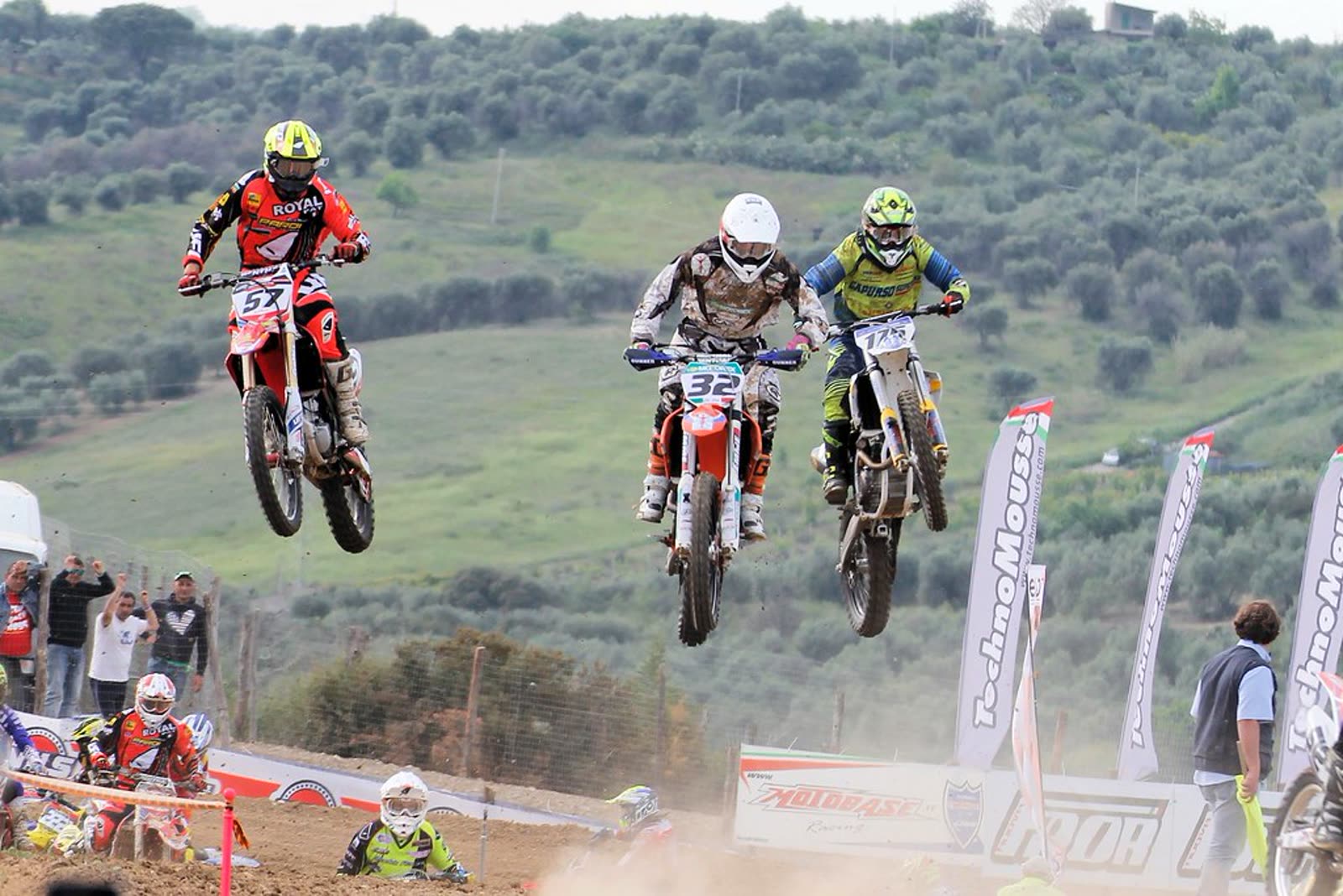
What a two-stroke teaches
A small two-stroke makes its power in a narrow, shouty band. Ride it lazy and it bogs; ride it panicked and it screams past the power and signs nothing. The rider learns to listen — to keep the engine in its band with throttle and gearbox, to carry momentum instead of wasting it, to plan two corners ahead because the engine punishes improvisation. Clutch control becomes second nature, because the clutch is a traction and torque tool on a smoker in a way it just is not on a mild four-stroke. Every one of those skills transfers directly to road racing: the fast 160 and 190 riders are the ones who understand momentum and anticipation, and the two-stroke year installs that understanding at a level no lecture reaches.
The other lesson is mechanical empathy. A two-stroke tells you how it feels — plug color, jetting, the sound of the pipe — and the rider who learns to hear a smoker at eight years old grows up a diagnoser, not just a steerer.
The maintenance rhythm
Honesty first: two-strokes ask more, on a schedule. The premix math (its own post), jetting that moves with the weather, top-end jobs at intervals measured in hours not years, power valve cleaning, rings. None of it is hard — the small top-end is genuinely a paddock job, and the bikes are light and simple enough that a parent with average hands and a manual can do almost everything. But the rhythm is non-negotiable: skip the maintenance calendar on a smoker and it repays you with a seized weekend, never a convenient one.
The reward for the discipline is a machine that is cheap to campaign relative to what it teaches, parts everywhere, and a motor that can be refreshed in an evening.
Why even road-race families benefit
Our world is Ohvales and mini road racers, and the RM85 detour still paid. The kid arrived back on a road racer with better clutch instincts, better throttle honesty, and an ear for engines — and with the humility two-strokes specialize in delivering, the day the rear wheel stepped out on a cold tire and taught respect for traction. The families I watch struggle in 160 are often the ones who skipped the momentum-and-clutch education entirely.
Practically, a used 85 also opens the dirt side of the sport — grass tracks, motocamp weeks, supermoto experiments — and cross-training on dirt is the cheapest bike-control school that exists. Our season always balanced pavement with some dirt for exactly this reason.
The case against, honestly
If your calendar is already full, a two-stroke is one more rhythm to keep, and its lessons can be learned on other machinery with patience. They are loud, they smell like a lawnmower with ambitions, and they demand the maintenance religion. But if a season can be found in the schedule — between classes, or as the second bike — the smoker year is the best trade in junior racing. The bike that demands the most attention teaches the most feel. That trade never stops paying.