Every kid who watches MotoGP asks the question, and every paddock parent eventually asks it back: what does the road from a Canadian minimoto grid to MotoGP actually look like? Here is the map, drawn honestly — including the fork where most careers turn.
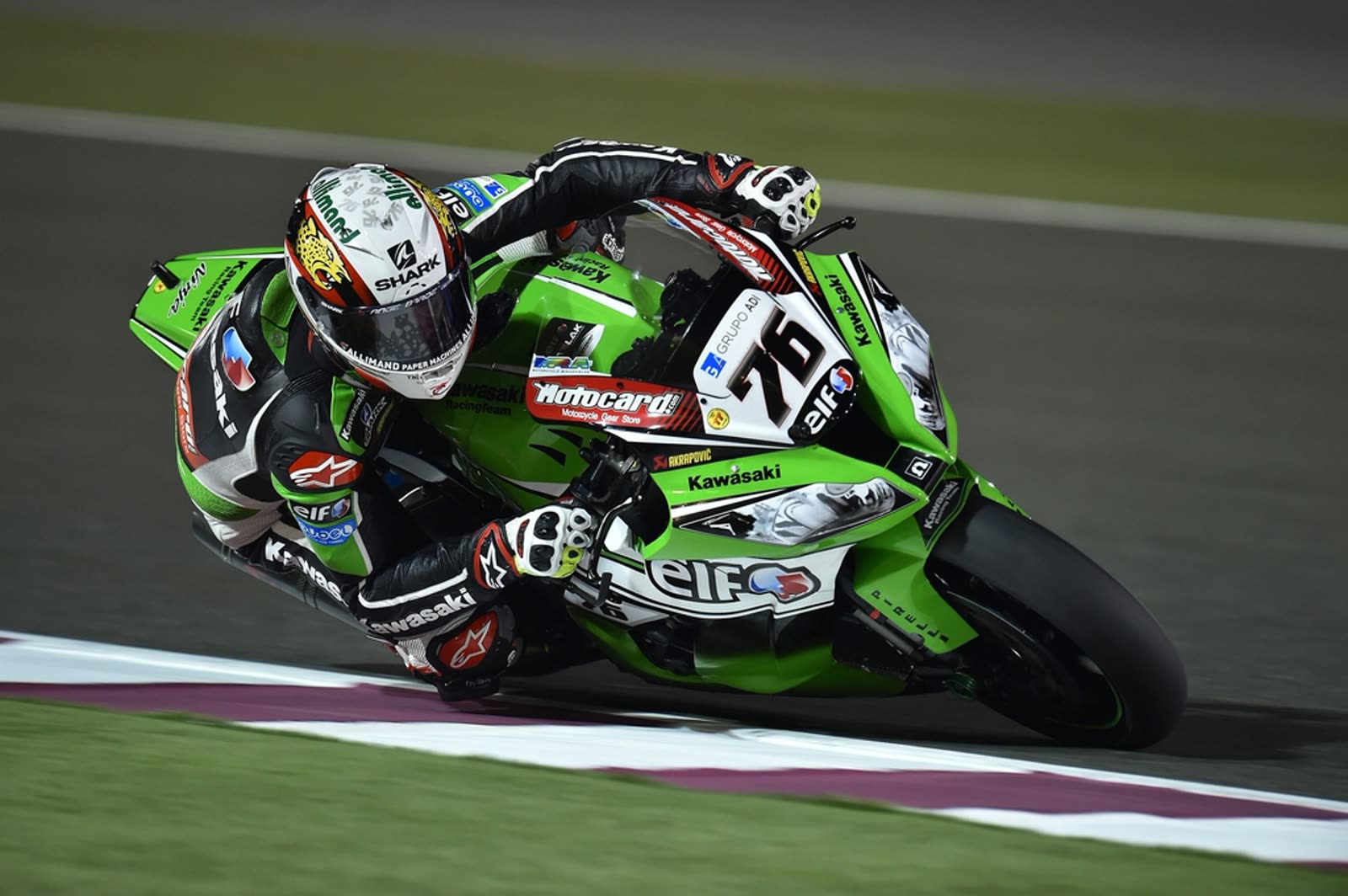
The map
The pathway, as it actually runs for a Canadian minimoto kid:
Minimoto and the junior classes — MiniSBK, MotoMini, the Ohvale generations — where the fundamentals are installed: braking, lines, racecraft, the habit of racing itself. The national mini scene is the on-ramp, and its top class, the 190s, is the shop window.
International selection — the Ohvale Guangzhou Supercup and its selection conversations, the FIM MotoMini world on our side of the ocean, the moments where a national-level mini racer meets the international field of their generation. Our Guangzhou posts cover what that step looks like from the family seats.
The junior championships — Red Bull Rookies Cup selections and the junior GP classes (the various national and European talent series that feed grand prix racing). This is where the pyramid narrows hard: equal machinery, deep grids, selections that read results from everywhere, and budgets that stop being family projects.
Moto3 and beyond — the first rung of the world championship itself, and from there the arithmetic of the sport takes over.
The honest fork
Here is what every version of this map should say and most do not: almost every career on the pathway takes the fork. The fork is club and national racing — CSBK in Canada, the strong regional series, the life of a fast, respected racer with a real career in the sport — and it is not the consolation prize; it is the destination the pathway is constantly, structurally, producing. The junior GP classes take single-digit numbers of kids per year, worldwide, from a generation of thousands of serious juniors. The fork takes everyone the pyramid was never going to hold — and it takes them as better riders, better competitors, and often as the coaches, team owners, and paddock pillars the next generation learns from.
I am not going to quote success rates, because the numbers depend on where you draw the cohort, and because the exact odds are not the point. The point is the shape: a pyramid, narrow at every step, with a genuinely good life at every level below the top.
Why the fork is a win
Watch what the pathway does to a kid regardless of altitude: the discipline, the fitness, the mechanical literacy, the grace under pressure, the family season. The rider who "only" reaches national racing arrives there with a childhood of the sport's best education — and a sport they can stay in for life, racing, coaching, building. Our pathway-to-CSBK post is the Canadian chapter of the same map, and it is full of people having the time of their lives.
So draw the map with the fork in ink, not pencil. Every GP rider started small — that part of the dream is universally true. The part the paddock teaches better: dream at full size, plan at every size, and love the fork when it comes, because it comes for almost everyone, and it is very, very good.